



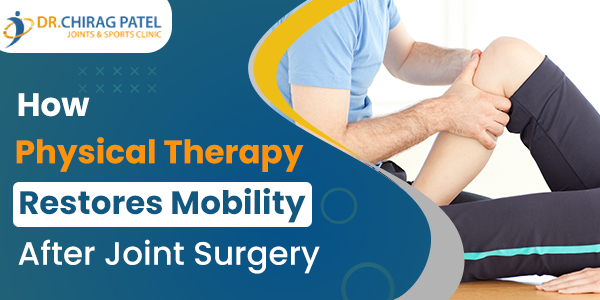
Joint surgery can reduce pain and correct a problem that has been affecting your movement for months or even years. Surgery is just one of the steps to getting back on your feet. After the process is over, your body requires time, exercise and appropriate rehabilitation to restore its normal operation.
This is where physiotherapy after joint surgery comes in as a significant aspect of recovery. A structured treatment programme assists in regaining movement, re-establishing strength, enhancing balance and slowly training the joint to perform daily tasks.
Moreover, why is movement difficult after joint surgery?
It is very normal that the part of the body that has undergone surgery feels stiff, swollen, or weak. You can also be afraid to move due to the fear of pain or ruining the joint.
How Does Physical Therapy Help You Move Again?
The purpose of physical therapy after joint replacement is not simply to make you exercise. Therapy is planned around how well you can move at different stages of recovery.
At the beginning, simple movements can be counted. As you heal, your therapist can gradually introduce activities that are strength-based, flexibility-based, walking, and balance-based.
Rebuilding Strength Around the Joint
Your joints are supported and controlled by your muscles. These muscles can weaken after surgery and a few days of decreased activity.
Strengthening them is an important part of rehabilitation. Simple muscle activation exercises can be used by your therapist, and then more challenging movements can be introduced as your recovery permits.
Learning to Walk With Confidence
After hip or knee surgery, you may initially need assistance while walking. Some patients also change the way they walk because they are trying to protect the operated side.
Physical therapy will allow you to slowly train to a safer and more natural walking pattern. Practical movements, like getting out of a chair, climbing stairs, or moving around your home, may also be included in your rehabilitation.
Why Balance Training Matters?
Strength alone does not guarantee comfortable movement. Your body also needs coordination and balance.
Balance exercises can become part of rehabilitation when appropriate. They help you develop better control of your movements, which can be particularly useful when returning to regular daily activities.
To Support your Recovery, What Actions can you Take?
Some practical joint surgery recovery tips can make the rehabilitation period easier to manage:
- Follow the rehabilitation plan recommended for you.
- Perform prescribed exercises using the correct technique.
- Increase activity only as advised.
- Attend scheduled follow-up appointments.
- Inform your healthcare professional about unusual or worsening symptoms.
Trying to progress too quickly can be just as problematic as doing too little. Recovery needs to match how your joint is healing.
When Can You Return to Normal Activities?
There is no single answer to this question. When to resume work, driving, exercise or sports is dependent on the joint, surgery, your progress and the recommendation of your doctor.
The idea is not to hurry back to all that you did prior to surgery. It is to restore movement safely and gradually in a way that will enable you to resume your activities with more confidence.
Taking the Right Steps Towards Better Mobility
Joint surgery can restore or replace a damaged section of the joint, but rehabilitation will teach you how to use that joint once more. With a well-thought-out recovery programme, movement, strength, balance, and confidence can be enhanced in the long run.
If you are considering joint surgery or need guidance about rehabilitation, Dr.Chirag Patel, an orthopedic surgeon, can help you understand the treatment and recovery process. Patients searching for the Best orthopedic surgeon in Mumbai, an Orthopedic surgeon in Santacruz West, or an Orthopedic doctor in Tardeo, Mumbai can consult Dr Chirag Patel for assessment and guidance related to joint conditions and treatment.